Access problems for West Hampstead flats rubbish removal
Posted on 01/08/2026
Access problems for West Hampstead flats rubbish removal: practical solutions for tight stairwells, shared entrances and difficult parking
If you live in a West Hampstead flat, you already know the awkward bits: narrow staircases, shared hallways, no lift, a front door that barely opens on to the pavement, and a van that can't park quite where you need it. Those are the moments when rubbish removal stops being a quick job and turns into a small logistical puzzle. This guide on Access problems for West Hampstead flats rubbish removal explains what usually goes wrong, how professional teams work around it, and what you can do to make collection day smoother. A little planning goes a long way here, honestly.
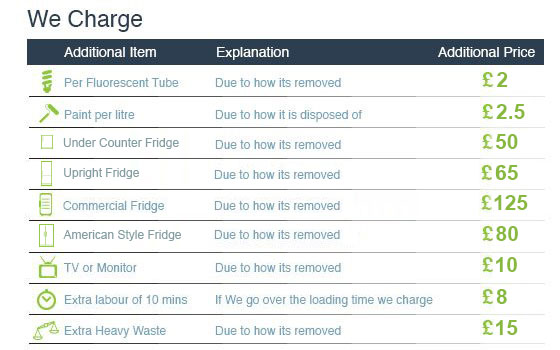
Whether you are clearing out an old sofa, handling post-tenancy waste, or dealing with bagged rubbish in a basement flat, the same access issues tend to crop up. The good news is that most of them can be managed without drama if you know what information to give upfront and what to check before booking. If you want to understand the wider service landscape first, it can help to look at the full rubbish removal service overview and, for pricing clarity, the pricing and quotes page.
Below, you will find a practical, local, human guide rather than generic advice. The aim is simple: fewer surprises, safer lifting, and a better result on the day.

Why Access problems for West Hampstead flats rubbish removal Matters
Access issues are not a minor inconvenience. In flats, they can affect timing, labour, safety, and even whether an item can be removed at all without extra planning. A fridge that would be easy to wheel out of a ground-floor house can become a two-person lift down a twisting staircase with a sharp landing. That is a very different job. And yes, that difference matters to both the crew and the final bill.
West Hampstead has a lot of apartment living, converted buildings, mansion blocks, and older properties where the building layout was never designed with modern bulky waste in mind. You may have a narrow communal hallway, a buzzer that does not reach the flat, timed access through a managed entrance, or parking restrictions that make quick loading difficult. Sometimes the rubbish is the easy bit. Getting to it is the challenge.
When access is poorly planned, the usual problems are:
- longer collection times
- higher labour effort for lifting and carrying
- risk of scuffs, damage, or complaints from neighbours
- missed slots because the team cannot park or enter the building
- extra charges if more staff, time, or equipment are needed
There is also a practical side that people sometimes forget: shared buildings are social spaces. One clumsy move in a tight corridor can leave everyone annoyed. A proper plan keeps the job tidy, polite, and quick. To be fair, that is what most residents want most of all.
How Access problems for West Hampstead flats rubbish removal Works
When access is tricky, rubbish removal usually starts before the van arrives. A good provider will ask questions about the building, the item size, the floor level, and how the waste can be carried out. That information shapes the collection method. Sometimes the team can work directly from the flat to the vehicle. Sometimes they need to stage items in a communal area. Sometimes they need to split the job into smaller carries because of stairs or narrow turns.
In practice, the process often looks like this:
- Initial assessment. You describe the items, the floor level, lift access, parking situation, and any building rules.
- Access planning. The team decides whether they need two people, a trolley, extra time, or a larger vehicle.
- Arrival and checks. On the day, they confirm parking, entrance access, and the safest route out.
- Careful removal. Items are lifted, carried, or wheeled out using the least disruptive route available.
- Loading and disposal. Waste is sorted for reuse, recycling, or responsible disposal where suitable.
That may sound simple, but the detail matters. A flat on the fourth floor with no lift is not the same as a ground-floor maisonette with direct street access. Nor is a building with a locked inner door the same as an open block where the crew can move freely. Small differences add up fast.
If the access problem is especially severe, a service may suggest alternatives such as staged collection, separating items into smaller loads, or booking a different type of clearance. For larger projects or mixed waste, rubbish clearance in West Hampstead and house clearance services can be useful because they are designed to handle more varied job sizes and access conditions.
Key Benefits and Practical Advantages
Sorting access properly is not only about avoiding headaches. It also improves the whole experience. You usually get a cleaner, faster job and a more accurate quote. That is the bit people appreciate after the van has gone and the hallway is still intact.
- Fewer delays. The crew arrives prepared for your building layout.
- Better safety. Heavy lifting is planned instead of improvised.
- Less damage risk. Stair rails, walls, doors, and flooring are less likely to be knocked or scratched.
- Clearer pricing. Difficult access can be accounted for before the job begins.
- Better neighbour relations. Less congestion in communal areas means fewer complaints.
- More suitable service choice. You can decide between a flat-by-flat carry, a mixed clearance, or another method.
There is also a trust angle. When a provider is open about access conditions, they are usually being realistic rather than trying to upsell later. That does not mean every difficult job costs more, but it does mean the quote should reflect the true job. If you want to avoid unpleasant surprises, it is worth reading the site's guidance on how to avoid hidden rubbish removal charges.
Expert summary: In flat clearances, access is part of the job, not a side issue. The more clearly you describe stairs, lifts, parking, and entrance restrictions, the easier it is to get a fair quote and a smooth collection.
Who This Is For and When It Makes Sense
This topic matters to a lot of people, not just landlords or people doing a big declutter. In West Hampstead, access problems affect day-to-day rubbish removal for all kinds of residents. If you are in one of those older conversions where a sofa has to be pivoted at a funny angle halfway down the stairs, you already know the feeling.
It is especially relevant if you are:
- a tenant moving out and needing last-minute waste removal
- a landlord preparing a flat between lets
- a homeowner clearing a basement, loft, or storage cupboard
- a managing agent arranging a communal clearance
- a builder or decorator finishing a small project and left with debris
- someone disposing of bulky furniture in a building with limited access
It also makes sense when the waste is not huge, but the route out is awkward. A few bags from a top-floor flat can be harder to remove than a larger pile from a ground-floor property. Strange, but true. The building layout can matter more than the volume.
If the items include mixed household waste, old furniture, or awkward bulky pieces, it may be helpful to compare related services such as furniture disposal, junk removal, or rubbish collection in West Hampstead. Different jobs need different handling, especially when access is limited.
Step-by-Step Guidance
Here is the most useful part: how to prepare properly without making a meal of it. You do not need a spreadsheet. Just a clear picture of the route from flat to van, plus a realistic idea of what is being removed.
- Measure the awkward bits. Check stair width, landing turns, lift size, and door openings if you can. A tape measure helps, but even rough dimensions are better than nothing.
- Note building restrictions. Think about entry codes, concierge hours, no-parking windows, or loading bay access.
- List the items clearly. Mention anything bulky, fragile, heavy, or awkwardly shaped.
- Take a few photos. Pictures of stairs, corridors, and the rubbish itself can save time. They do not need to be fancy.
- Tell the provider about parking. Is there double yellow line pressure, permit parking, or a very tight street? Say so.
- Ask who will carry what. For large items, clarify whether one person can realistically help or whether two-person lifting is expected.
- Confirm the disposal route. Make sure the job matches the service type, especially if you have mixed waste or heavy furnishings.
- Prepare the path. Move small obstacles, unlock communal doors, and warn neighbours if necessary.
A small tip from experience: put everything you want removed in one place if possible, but only if doing so does not block access. In a cramped flat, spreading bags across the hallway is usually worse than helpful. One tidy corner is enough.
What to say when you enquire
If you want a clean booking, mention the basics in plain English: "second-floor flat, no lift, narrow stairs, permit parking only, one wardrobe, one mattress, eight bags, and a tight front entrance." That one sentence gives the crew more useful information than a whole paragraph of "it should be okay."
Expert Tips for Better Results
Good access planning is often about thinking one step ahead. Nothing dramatic. Just being a bit fussy in the useful way.
- Send photos of the route, not just the rubbish. A big item is only half the story.
- Keep communal entrances clear. Even a temporary pile in the hall can cause complaints.
- Use protective materials where needed. Moving blankets or basic floor protection can help in older buildings.
- Be honest about weight. A chest of drawers that "isn't too heavy" often turns out to be very, very solid.
- Book with time to spare. If access depends on a concierge, cleaner, or neighbour letting the team in, build in a buffer.
- Consider the time of day. Mid-morning can be easier than rush hour, especially if parking is tight.
One thing people underestimate is how much easier a job becomes when the flat is pre-sorted. If the crew has to move waste from three rooms before it reaches the stairs, the job slows down. If the items are gathered sensibly near the exit, it tends to go much better. Simple, but effective.
For some properties, especially where renovations are involved, a related service like builders waste clearance can be the better fit. Builders' rubble, plasterboard, and mixed site waste are a different beast from household clutter.
Common Mistakes to Avoid
Most access problems are predictable. That is the frustrating part, really. The same handful of mistakes show up again and again.
- Understating the access issue. "Easy access" can mean very different things to you and the crew.
- Forgetting parking. A van that has nowhere legal to stop can slow everything down.
- Not checking lift size. Some lifts are technically available but not practically useful for bulky items.
- Leaving the building blocked. Bags in the hallway may be in the way of neighbours or fire routes.
- Assuming all waste is the same. A pile of mixed items may need more sorting than expected.
- Booking too late. Last-minute jobs are possible, but access complications make rushed planning risky.
Another common one: people focus on the flat itself and forget the route from street to front door. That route is often where the delay happens. A few steps of pavement, a low gate, a locked internal door, then a tight turn. Suddenly everyone is doing careful geometry.
And yes, one more thing: if there is any doubt about the route, say it. A tiny bit of awkward honesty saves a lot of back-and-forth.
Tools, Resources and Recommendations
You do not need specialist kit for every job, but a few simple tools can make access-related rubbish removal easier and safer. It depends on the property and the waste, of course, but the basics are worth knowing.
| Tool or resource | Why it helps | Best used for |
|---|---|---|
| Measuring tape | Checks whether bulky items can pass through doors and landings | Sofas, wardrobes, mattresses |
| Protective covers | Reduces scuffs in tight corridors | Painted walls, doorframes, flooring |
| Flat photos | Helps estimate access before the visit | Quotes and job planning |
| Trolley or sack truck | Improves moving efficiency where stairs and surfaces allow | Bagged waste, small appliances |
| Lift dimensions | Prevents wasted time on items that simply will not fit | Bulky furniture, appliances |
For related reading on local patterns and property types, you may also find the site's West End Lane rubbish removal guide useful, especially if you are trying to judge access near busy roads or mixed-use buildings.
If you are comparing broader service choices, the most practical approach is to look at the type of waste first, then match the collection method to the access challenge. For example, a single sofa from a third-floor flat might suit straightforward furniture disposal, while mixed clutter from a whole flat may be better handled through a clearance service.
Law, Compliance, Standards, or Best Practice
When rubbish is removed from flats, the key compliance point is simple: waste should be handled responsibly and by people who understand proper disposal practice. In the UK, household and commercial waste must not simply be dumped or treated carelessly, and residents or landlords should be careful about who removes it. If a deal looks too cheap to be true, it sometimes is. Not always. But sometimes.
Best practice usually includes the following:
- Clear identification of waste type. Mixed waste, electrical items, and construction debris may need different handling.
- Safe manual handling. Heavy lifting should be planned with the property layout in mind.
- Respect for communal areas. Shared stairs, halls, and entrances should be kept clean and unobstructed.
- Transparent communication. Any access difficulty likely to affect time or labour should be explained before the job starts.
- Responsible disposal. Materials should be sorted where possible for reuse or recycling.
It is also sensible to check a provider's safety and trust information before booking. Pages such as insurance and safety, recycling and sustainability, and terms and conditions can help you understand what standards are being followed. If privacy matters in a shared block, the privacy policy and about us pages are also worth a look.
If you have building access needs or need clearer information about inclusion and site navigation, the accessibility statement may be useful too.
Options, Methods, or Comparison Table
Not every flat clearance needs the same approach. The best choice depends on the size of the waste, the building layout, and how much time you want to spend coordinating the job. Here is a straightforward comparison.
| Method | Best for | Pros | Limitations |
|---|---|---|---|
| Manual carry-out from flat | Small to medium loads with manageable stairs | Direct, simple, often quick if access is clear | Can be slow in tall buildings or narrow staircases |
| Flat clearance service | Multiple items, mixed household waste, end-of-tenancy jobs | More flexible for awkward access and mixed contents | May need more time or labour for difficult buildings |
| Furniture-only disposal | Sofas, beds, wardrobes, appliances | Focused approach, good for bulky items | Less suitable if you have mixed rubbish too |
| Skip hire | Longer jobs with space outside and predictable waste volume | Useful for ongoing clear-outs | Often awkward where parking and street access are limited |
| Same-day collection | Urgent clearances and last-minute moves | Fast response when timing is critical | Access details must be accurate or the slot can be wasted |
For many West Hampstead flats, the sweet spot is a collection service that can adapt to the building. If the waste is straightforward, a simple pickup may do. If access is difficult or the job is more substantial, a broader clearance option tends to be safer and less stressful. If timing is your main concern, the site's guide to same-day rubbish collection is a sensible place to start.
Case Study or Real-World Example
Picture a typical West Hampstead conversion flat: second floor, narrow internal stairwell, no lift, and on-street parking that fills up early. The resident needs to clear a broken wardrobe, a mattress, several bin bags, and a couple of smaller bits before a tenancy handover. Nothing extreme. Just annoying enough to become a problem if nobody plans properly.
At first glance, it seems like a quick job. But once the measurements are checked, it becomes clear the wardrobe will not turn cleanly on the first landing unless it is partially dismantled. The mattress is manageable, but only if the route is cleared. Parking is the other issue. The van may need to stop a short distance away, which adds carry time. None of this is a disaster. It just needs honesty and a bit of care.
So the approach becomes:
- confirm access before booking
- split the wardrobe where possible
- move the waste close to the exit without blocking the hallway
- arrange a collection window that avoids the busiest parking period
- make sure the building entry is available when the team arrives
The result is usually a smoother visit, less frustration, and fewer surprises. A boring success is still a success. Actually, especially then.
For local context around nearby streets and common property situations, related reading such as the Iverson Road bulky rubbish pickup guide and the NW6 Thameslink rubbish disposal options article can be helpful. They give a feel for how access, parking, and timing often shape the job in real life.
Practical Checklist
Use this before you book or on the morning of collection.
- Have I told the provider the flat floor level?
- Does the building have a lift, and is it large enough for bulky items?
- Are there any security doors, entry codes, or concierge restrictions?
- Have I checked parking, loading, or waiting restrictions?
- Do I know which items are going and which are staying?
- Have I measured the biggest item?
- Is the hallway or stairwell clear enough for safe carrying?
- Have I warned anyone who needs to know, such as a neighbour or managing agent?
- Do I need a specialist service for furniture, builders waste, or mixed rubbish?
- Have I confirmed the quote reflects the access conditions honestly?
Simple checklist. But it catches most of the avoidable issues.
Conclusion
Access problems for West Hampstead flats rubbish removal are common, but they do not have to be messy or expensive if you plan well. The big idea is to think about the building as much as the waste. Stairs, lifts, doors, parking, and communal rules all affect the outcome. Once those details are clear, the job becomes much easier to manage.
For residents, landlords, and managing agents alike, the best results usually come from clear communication, honest photos, and a service that understands flat-based collections. That is especially true in older buildings where every turn in the stairwell seems to have a personality of its own. Not ideal, but manageable.
If you are planning a collection soon, choose the service that matches the access challenge, not just the pile of rubbish. That one decision can save time, reduce stress, and keep the whole building happier.
Get a free quote today and see how much you can save.
If you need help working through the details, the easiest next step is to review the available options and then make an informed enquiry. A calm, well-described booking usually leads to a calmer collection day.


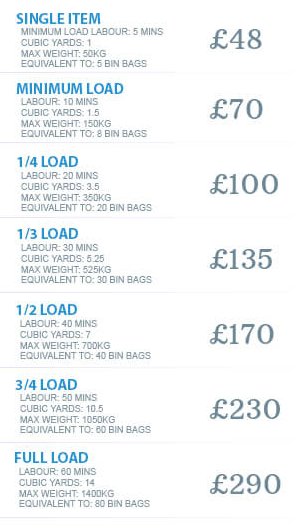
 Tipper Van - Rubbish Removal and Junk Collection Prices in West Hampstead NW6
 Luton Van - Rubbish Removal and Junk Collection Prices in West Hampstead NW6