Camden council rubbish disposal rules for West Hampstead
Posted on 11/09/2026
Camden council rubbish disposal rules for West Hampstead: a practical local guide
If you live in West Hampstead, rubbish disposal can feel oddly complicated for something so ordinary. One week you're dealing with a broken wardrobe, the next it's garden cuttings, a flat clear-out, or a pile of packaging that will not fit in the bin. The truth is, Camden council rubbish disposal rules for West Hampstead are straightforward once you understand the basics - but the details matter, especially in flats, shared buildings, and busy streets where one mistake can turn into a blocked walkway or an avoidable collection issue.
This guide explains how the rules work in real life, what Camden expects, where residents often slip up, and how to choose the right disposal route without making a mess of it. We'll also cover bulky waste, recycling, skip hire considerations, and when a professional clearance service can save you time and hassle. If you want broader background on local moving, clearing, or household waste needs, you may also find our services overview useful, especially if you're comparing options before booking anything.

Why Camden council rubbish disposal rules for West Hampstead matters
West Hampstead is one of those places where rubbish management looks easy from the outside and then becomes awkward the moment you try to move a sofa down a narrow stairwell at 7:30 in the morning. There are flats above shops, shared entrances, basement conversions, terraced houses, and a constant flow of foot traffic around transport links and side streets. That mix makes correct disposal more important than it might seem at first glance.
The main reason these rules matter is simple: waste left out incorrectly can create problems fast. It can obstruct pavements, attract complaints from neighbours, and create avoidable collection refusals. In a dense area like NW6, one bag left in the wrong place tends to feel like three. Nobody wants that look on a Monday morning.
It also matters because different waste streams need different treatment. General household rubbish, food waste, garden material, bulky items, electrical items, and building debris do not all belong in the same pile. Camden's approach, like most London boroughs, is built around separating waste properly and using the right collection route. That protects public space, supports recycling, and reduces the chance of contamination.
For West Hampstead residents, the practical side is just as important. If you are clearing a rental flat after a tenancy ends, or trying to keep a family home under control during a renovation, understanding disposal rules helps you choose between council collections, recycling options, private clearance, or skip hire. If you need flexible help for a bigger job, our rubbish clearance West Hampstead service page is a useful place to start.
Expert summary: The easiest way to stay on the right side of Camden council rubbish disposal rules for West Hampstead is to separate waste early, check what type of collection you actually need, and avoid leaving loose items on the street unless they are specifically scheduled for pickup. Simple, really - but easy to get wrong when you are tired.
How Camden council rubbish disposal rules for West Hampstead works
At street level, the system is about matching the waste to the right route. Household bin waste goes through regular collections. Recyclables need clean, sorted presentation. Bulky items usually need a separate arrangement. Construction waste is treated differently again, and that is where many residents get caught out.
Although the exact operational details can change, the general pattern is consistent. Council waste services are designed for standard domestic rubbish, not for every type of large or awkward item. So if you have a mattress, dismantled furniture, old white goods, or renovation rubble, the issue is not just volume. It is suitability.
In practical terms, you should think in categories:
- Everyday household rubbish: black bag waste and normal residual waste.
- Recyclables: items accepted in recycling streams when clean and sorted properly.
- Bulky waste: larger domestic items that do not fit standard bins.
- Garden waste: cuttings, branches, and other organic material.
- DIY/builders waste: plasterboard, tiles, timber, bricks, and similar materials.
- Electricals and special items: appliances, screens, and certain hazardous items.
The biggest issue for West Hampstead properties is often access rather than the waste itself. Shared hallways, controlled entry, limited kerb space, and narrow frontages can all complicate disposal. If that sounds familiar, our guide on access problems for West Hampstead flats rubbish removal explains why these jobs need a bit more planning than people expect.
Another thing to remember: council services and private collection services are not interchangeable in every case. A council pickup may suit smaller, routine jobs. A private collection is often better when timing matters, when you have multiple waste types, or when the property layout makes moving items difficult. Sometimes the right answer is a hybrid approach - and that is perfectly normal.
Key benefits and practical advantages
Understanding the rules is not just about avoiding trouble. It actually makes disposal simpler, cleaner, and cheaper in the long run. Yes, cheaper too - even if that sounds a bit counterintuitive at first.
- You avoid rejected waste: If items are sorted badly, collection may be delayed or refused.
- You reduce neighbour friction: West Hampstead is busy and closely packed; good waste habits keep everyone happier.
- You save time: Knowing whether an item needs council collection, recycling, or removal means fewer false starts.
- You reduce risk: Heavy items, broken glass, and sharp materials can cause injury if handled carelessly.
- You support better recycling: Cleanly separated waste is much easier to route into the right stream.
- You make moving or clearing easier: Whether it is a tenancy end, a loft tidy, or a garden overhaul, planning helps.
There is also a mental benefit, which people don't talk about enough. Clearing waste properly makes a property feel calmer. You can hear it in the room, if that makes sense - less clatter, less clutter, less background stress. A tidy flat in West Hampstead, especially one with a bit of natural light, just feels different.
If you are considering a larger clear-out, it can help to compare the various service types first. Our house clearance West Hampstead and office clearance West Hampstead pages are useful reference points for bigger projects where simple bin disposal isn't enough.
Who this is for and when it makes sense
This topic matters to a wide mix of people, not just homeowners. In West Hampstead, the same waste issue can affect a landlord, a tenant, a landlord's agent, a small business owner, or someone clearing a relative's property. Different people, same headache.
You are likely to need this guidance if you are:
- moving out of a flat and need to dispose of mixed household items;
- renovating a property and generating builders waste;
- clearing a loft, garage, or spare room;
- dealing with bulky furniture or white goods;
- managing waste from an office or small commercial premises;
- trying to keep shared bins from overflowing in a block of flats;
- looking for a better option than hiring a skip on a tight street.
For example, a tenant in a converted maisonette may only need a single bulky collection. A property manager might need a recurring plan for mixed rubbish. A homeowner near West End Lane may need a one-off clearance after a long weekend of sorting. Each situation needs a slightly different answer, and that is where a lot of people go wrong.
If you are dealing with garden cuttings after a seasonal tidy-up, it is worth looking at garden waste removal West Hampstead. For old desks, chairs, and mixed business items, junk removal West Hampstead may be the more realistic route. The point is to match the job to the waste.
Step-by-step guidance
Here is the cleanest way to deal with rubbish in West Hampstead without overthinking it.
- Identify the waste type. Start by separating normal household rubbish from bulky items, recycling, garden waste, and anything that counts as construction or hazardous material.
- Check what can go in your usual bins. A surprising amount of waste can be reduced just by flattening packaging, rinsing recyclables, and bagging residual waste correctly.
- Set aside bulky or awkward items. If it will not fit in a standard bin, or if it is heavy and difficult to carry, treat it as a separate disposal job.
- Look at access. Ask yourself a blunt question: can this item be carried down the stairs, through the hallway, and out without blocking the building?
- Choose the right disposal route. Council collection, private clearance, skip hire, or a specialised service each suits different situations.
- Prepare the items properly. Break down furniture where safe, remove loose contents, and keep materials grouped together.
- Book early when possible. Same-day options are useful, but not every job should be left to the last minute. If timing is tight, read our same-day rubbish collection guide first.
- Keep the pathway clear. In shared buildings especially, make sure waste is not blocking entrances or fire routes.
A practical tip: take a quick phone photo of the waste before you book anything. It helps you remember what needs removing, and it makes quoting easier. Nothing glamorous, but it works.
If the job is a bit bigger than expected - which, to be fair, happens all the time - a professional rubbish collection West Hampstead booking can be simpler than trying to piece together multiple small trips yourself.
Expert tips for better results
People often assume rubbish disposal is just about getting items off the premises. In practice, the quality of the setup matters just as much as the pickup itself.
- Sort before you lift: Separate recyclable, reusable, and true waste early. It saves time and reduces cross-contamination.
- Keep wet and dry waste apart: Damp cardboard or food-soiled packaging can spoil an otherwise recyclable load.
- Measure awkward furniture: A sofa that looks manageable in a living room can become a nightmare on a landing. I've seen it happen more than once.
- Don't underestimate stairwells: Turns, low ceilings, and tight corners make bulky moves slower than they seem on paper.
- Think about noise and timing: Early morning dragging, banging, and bin movement can upset neighbours in a quiet block.
- Use the right method for builders waste: Construction debris should not be treated like ordinary household junk.
One useful local habit is to plan disposal around your building's practical rhythm. In a busy NW6 street, that may mean avoiding peak pedestrian times or coordinating with a concierge. Small thing, big difference.
If your project includes refurbishment debris, have a look at builders waste clearance West Hampstead. If you are aiming for a cleaner, more responsible disposal process overall, our recycling and sustainability page also gives a useful sense of how waste can be handled more thoughtfully.

Common mistakes to avoid
Most disposal problems in West Hampstead come from a handful of recurring mistakes. The good news? They are easy to avoid once you know what they look like.
- Leaving waste out too early: This can create clutter, complaints, and possible collection issues.
- Mixing waste types: Putting food waste, recyclables, and DIY debris together is a quick way to cause problems.
- Assuming bulky means bin-friendly: If it is large, heavy, or awkward, treat it as a separate item.
- Forgetting access limitations: West Hampstead buildings often have tight staircases and awkward hallways.
- Not checking charges or inclusions: Hidden extras are frustrating, especially on last-minute jobs. Our avoid hidden rubbish removal charges guide is worth a look if you are comparing providers.
- Booking the wrong type of service: Skip hire, collection, and clearance all solve different problems.
- Ignoring special waste: Some items need care or separate handling, even if they look harmless at first glance.
There is a more subtle mistake too: people often wait until the pile becomes unmanageable. Then the job feels bigger, more stressful, and more expensive. A little early action saves a lot of drama later. That's not just neat advice; it's the reality of most clear-outs.
Tools, resources and recommendations
You do not need fancy tools to dispose of rubbish properly, but a few basics help enormously.
- Heavy-duty bags and boxes: Useful for breaking mixed waste into manageable loads.
- Masking tape or labels: Great for marking what should stay, what should go, and what needs sorting later.
- Work gloves: Essential if you are handling sharp, dusty, or splintered items.
- A trolley or sack barrow: Helpful for larger flats or longer walks to the kerb.
- Basic measuring tape: Very handy for furniture, appliances, and awkward stair turns.
- Photos of the load: Useful for getting a realistic quote and avoiding awkward surprises.
As for service choices, many West Hampstead residents weigh up skip hire versus collection. Skip hire can suit projects where waste is generated over time, but in a dense urban setting the space and permit considerations can be a headache. A collection-based service may be more practical when access is tight and the load can be removed in one visit. If you are unsure, our skip hire West Hampstead and waste removal West Hampstead pages are good starting points for comparing the approach.
For property clear-outs, it may also help to review garage clearance West Hampstead or loft clearance West Hampstead if the waste is buried in a hard-to-reach space. Those jobs always take longer than you think. Always.
Law, compliance, standards, or best practice
When rubbish is being removed in a borough like Camden, the safest approach is to follow local collection rules, handle waste responsibly, and ensure it is transferred to a legitimate disposal route. In plain English: don't dump it, don't block the street, and don't assume every item can go out with everyday refuse.
There are a few common best-practice principles to keep in mind:
- Duty of care: Waste should be managed responsibly from the point it leaves your property until final disposal.
- Correct segregation: Mixing everything together makes recycling harder and can lead to collection refusals.
- Safe handling: Heavy, sharp, or hazardous items should be moved carefully and by the right people.
- Property access and safety: Shared entrances, pavements, and fire routes should remain clear.
- Transparent arrangements: You should know what is being collected, how it is being handled, and what is included in the service.
It is sensible to be careful with anything that could be classed as special waste, electrical waste, or construction waste. If in doubt, treat it separately rather than guessing. That small pause can save a lot of hassle.
For customers who value predictable handling and proper insurance considerations, our insurance and safety page and terms and conditions page can help set expectations before any job goes ahead. If you are comparing how a provider operates more generally, about us gives a clearer sense of service standards and working approach.
Options, methods, or comparison table
There is no one-size-fits-all answer here. The best method depends on what you are throwing away, how much of it there is, and how quickly you need it gone.
| Method | Best for | Strengths | Possible drawbacks |
|---|---|---|---|
| Regular council bin disposal | Ordinary household waste and sorted recyclables | Simple, familiar, low effort | Not suitable for bulky or unusual items |
| Bulky waste collection | Furniture, mattresses, larger domestic items | Convenient for single items or smaller loads | May need advance planning and proper preparation |
| Skip hire | Longer DIY projects or staged clear-outs | Good for ongoing waste generation | Space, access, and permit considerations can be awkward |
| Private rubbish collection | Mixed loads, urgent clearances, tight access | Flexible and time-saving | Needs clear quoting and careful provider selection |
| Specialist clearance | House, office, loft, garage, or builders waste | Good for complex or large jobs | Requires more detailed planning, sometimes sorting |
For mixed domestic items, a targeted collection service is often the least stressful choice. For ongoing renovation work, builders waste handling is usually the cleaner fit. For end-of-tenancy clear-outs or large household resets, a dedicated clearance service can make the difference between a two-hour headache and a job that feels finished properly.
Case study or real-world example
Here is a typical West Hampstead scenario. A tenant in a first-floor flat off a busy local road has just moved out. There is a dismantled bed frame, an old chest of drawers, some cardboard, a broken lamp, and a few bags of general rubbish. Nothing dramatic, but enough to be annoying.
At first, the tenant thinks everything can go out with normal bins. That is where the plan starts to wobble. The bed frame is too large, the lamp is electrical, the cardboard is recyclable only if it is clean and properly flattened, and the shared hallway is narrow enough that leaving it there would be a nuisance. Fair enough, nobody wants a blocked entrance.
The better approach is to sort the waste into three piles: reusable or donate-worthy items, recyclable packaging, and bulky or general waste. Then the larger items are removed through a collection arranged for the right type of load. The hallway stays clear, the move-out is tidy, and there is no last-minute panic on the pavement. That's the difference between reacting and planning.
In a similar case involving a small office near the station, the issue is usually mixed waste: old chairs, monitor boxes, paper archives, and a few awkward bits of furniture. In that situation, a service designed for office clearance West Hampstead can be far more practical than trying to fit everything into normal collections. If the job is still in progress and debris is being generated daily, the relevant builders waste clearance West Hampstead option may be a better fit instead.
Practical checklist
Use this quick checklist before you put anything out for disposal.
- Have I separated household waste, recycling, bulky items, and special items?
- Does anything need dismantling before removal?
- Will the item fit through doors, stairwells, and shared access points safely?
- Could any item cause a blockage, trip hazard, or neighbour complaint?
- Do I know whether the load is suitable for council collection, skip hire, or private collection?
- Have I checked whether the waste includes electronics, garden waste, or builders debris?
- Have I compared timing, access, and cost before booking?
- Is the collection point clear and easy to reach?
- Do I have photos or notes ready if I need a quote?
- Have I confirmed what should stay and what should go?
If you can tick most of those off, you are already ahead of the curve. Honestly, a lot of waste jobs become complicated only because people start them halfway.
Get a free quote today and see how much you can save.
For a quick next step, compare the right service type for your load, then decide whether you want a simple collection or a fuller clearance. If you are still unsure, our pricing and quotes page can help you weigh up the options without guesswork.
Conclusion
Camden council rubbish disposal rules for West Hampstead are not difficult once you break them into categories and keep property reality in mind. The real challenge is not the rulebook itself - it is the way West Hampstead homes, flats, and commercial spaces are built and used. Narrow access, shared entrances, mixed waste, and time pressure all make disposal feel more involved than it should.
Once you match the waste to the right route, most of the stress disappears. Smaller jobs can be handled through normal collections, while bulky items, office clutter, garden material, and builders waste usually need a more specific plan. That's the practical truth of it.
Take the time to sort early, prepare carefully, and choose the right service for the job. It saves money, keeps neighbours happier, and makes the whole process feel a lot less messy. And if you are in the middle of a clear-out right now, well, one small step today can make the rest of the week feel lighter.


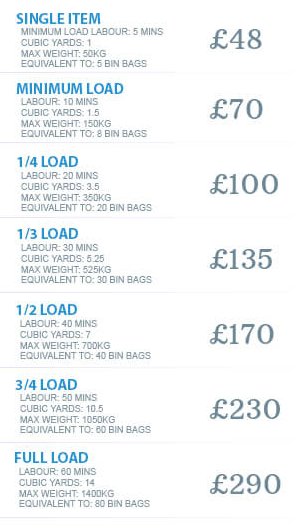
 Tipper Van - Rubbish Removal and Junk Collection Prices in West Hampstead NW6
 Luton Van - Rubbish Removal and Junk Collection Prices in West Hampstead NW6