Fortune Green waste collection tips for West Hampstead homes
Posted on 06/06/2026
If you live in West Hampstead, waste collection can feel simple right up until it isn't. One week it is a couple of bin bags and a cardboard box; the next, you are dealing with garden cuttings, a broken wardrobe, or the aftermath of a flat clear-out on a damp Thursday afternoon. This guide to Fortune Green waste collection tips for West Hampstead homes is here to make the whole thing easier, tidier, and a lot less annoying.
Whether you are trying to stay on top of everyday household rubbish, plan a bigger removal, or just avoid the classic London problem of "where on earth do I put this until pickup day?", you will find practical answers below. We will cover how collection usually works, what to sort first, common mistakes, and when a more flexible service makes more sense than waiting around. Truth be told, a little planning saves a lot of faff.

Why Fortune Green waste collection tips for West Hampstead homes Matters
Waste collection is one of those ordinary household jobs that quietly shapes how a home feels. In a place like West Hampstead, where homes range from compact flats to family houses and converted properties, the volume and type of waste can change fast. One week it is mostly kitchen waste and packaging. The next, you may have old furniture in a hallway, a pile of garden waste after a weekend tidy-up, or renovation debris waiting by the door.
Good waste handling matters because it keeps your home safer, more pleasant to live in, and easier to maintain. It also helps reduce the chance of missed collections, overfilled bins, nuisance smells, pests, or clutter building up in shared entrances. And if you have ever lived in a building where a rogue bin bag was left in the wrong place all weekend, you already know how quickly a small issue becomes everybody's issue.
For West Hampstead households, there is another layer too: space. Space is precious. That makes proper sorting, storage, and collection planning genuinely valuable, not just neat. A sensible approach can also help you make better choices between regular rubbish collection, one-off clearance, skip hire, or a mixed waste removal service. For a broader overview of available help, it can be useful to browse the site's service overview and see how different jobs are handled.
Expert summary: the best waste collection plan is usually the one that matches your household's real habits, not an idealised version of them. In practice, that means planning for what you actually throw away, how much storage you have, and how quickly waste needs to leave the property.
How Fortune Green waste collection tips for West Hampstead homes Works
At a practical level, waste collection works best when you separate the waste by type before collection day. That sounds obvious, but in real homes it often gets skipped because everyone is busy, tired, or trying to finish a job before dinner. The process usually starts with identifying what you have: everyday household rubbish, recycling, garden cuttings, bulky items, or mixed junk from a clear-out.
From there, you decide the right route. Small, regular household waste is usually managed through normal collection routines. Bigger loads, such as broken furniture, loft clutter, or renovation offcuts, often need a dedicated collection or clearance plan. If you have a garden in Fortune Green or nearby streets, you may also need a proper route for green waste rather than stuffing it into general bags. The site's garden waste removal option is relevant for that kind of seasonal job.
Another part of how it works is timing. You want to gather and stage waste so it can be collected quickly and safely, without blocking hallways or pavements. That matters in terraced houses, basement flats, and shared buildings where access can be tight. If waste is awkward, heavy, or mixed, you may be better off arranging a more complete rubbish collection in West Hampstead rather than trying to manage it bit by bit.
And yes, collection is easier when items are sorted before anyone arrives. A pile labelled in your head as "deal with later" is not, to be fair, a system.
Key Benefits and Practical Advantages
There is a reason organised waste collection feels so satisfying. It is not just about having fewer bags around. It changes how a home functions day to day.
- Cleaner shared spaces: less risk of blocked hallways, overflowing bin stores, or unsightly piles outside.
- Better use of space: especially useful in compact West Hampstead homes where every metre counts.
- Less stress: once a collection is planned, you stop mentally tripping over the same old pile.
- Improved recycling habits: separating waste properly can make disposal easier and more responsible.
- Safer lifting and moving: fewer surprise heavy items and less carrying around awkward waste at the last minute.
- Faster clear-outs: useful when you are preparing for guests, a move, or a property sale.
There is also a commercial side to this for landlords, agents, and people managing property turnover. West Hampstead homes change hands, get refurbished, and get repurposed. Waste that is handled well speeds up the whole process. If you are thinking in that direction, the articles on living in Hampstead and wise real estate investment in Hampstead give a useful feel for how local property decisions and upkeep often go hand in hand.
One small but real advantage: a tidy waste routine often means fewer emergency calls. That is good for the nerves and the budget.
Who This Is For and When It Makes Sense
This guide is useful for a pretty broad range of West Hampstead residents. You do not need to be doing a full house clearance to benefit from better waste collection habits. In fact, most people need this advice for ordinary life.
It is especially relevant if you are:
- a homeowner trying to manage day-to-day household rubbish more efficiently
- a tenant in a flat or maisonette with limited bin space
- a landlord preparing a property for new occupants
- a family doing a seasonal declutter
- someone clearing out a loft, garage, or spare room
- a person dealing with garden cuttings after pruning or replanting
- anyone comparing collection, skip hire, and one-off junk removal options
It also makes sense when you are under time pressure. Maybe you are expecting visitors, selling a property, or trying to get a room back into use. Those are the moments when waste management becomes visibly important, because clutter has a way of spreading. One box becomes four. Then there is a bag in the corner. Then a chair. Then somehow the vacuum has nowhere to live. Lovely.
If you are dealing with a larger property reset, the more specialised pages for house clearance, loft clearance, and garage clearance can help you match the right service to the job.
Step-by-Step Guidance
The easiest way to improve waste collection at home is to use the same process every time. Simple is good. Simple lasts.
- Walk through the property first. Check the kitchen, bathroom, bedrooms, utility area, shed, loft, and outdoor space. You want the full picture, not just the obvious bags.
- Sort waste into clear categories. Separate everyday rubbish, mixed junk, recyclables, garden waste, bulky items, and anything that may need special handling.
- Identify what can be reused or donated. A chair with one wobbly leg may be repairable, while a broken microwave is not worth hanging onto "just in case".
- Bag or bundle materials properly. Loose waste creates mess and makes handling slower.
- Keep access routes clear. Hallways, stairwells, and front paths should remain open. Nobody wants to perform a mini obstacle course with a bin bag.
- Check for heavy, sharp, or awkward items. Broken glass, old metal, and splintered wood need sensible handling and good gloves.
- Choose the right collection method. Small routine waste, one-off rubbish collection, skip hire, or a full clearance job all serve different needs.
- Schedule collection before waste builds up. Waiting too long almost always creates more work later.
A useful little habit is to stage waste in the same place each time, such as a utility corner or a designated part of the hallway, provided it stays safe and unobtrusive. Consistency makes collection easier, especially if more than one person in the home is involved.
If your pile includes builders' debris, old fixtures, or renovation leftovers, it may be worth looking at builders waste clearance rather than trying to treat it like normal household rubbish. That distinction matters more than people think.
Expert Tips for Better Results
The best tips are usually the boring ones done consistently. Not glamorous, but effective.
1. Keep a running waste zone
Instead of letting waste scatter across the home, use a defined spot. In a lot of West Hampstead homes, that might be a utility cupboard, a corner of the kitchen, or a section of the garden. The key is to keep it out of the way and review it regularly.
2. Flatten and reduce volume
Cardboard boxes, packaging, and soft materials take up more space than they should. Flatten them before collection. You will notice the difference immediately, especially in smaller flats.
3. Don't mix clean and dirty waste
Food waste mixed with clean recyclables is a common nuisance. Once things are mixed, the whole load becomes harder to manage. A tiny bit of separation saves a lot of frustration.
4. Plan around weather and access
Wet London weather can turn light waste into heavy, soggy waste quickly. If there is a chance of rain, get outdoor items covered or moved sooner rather than later. It sounds basic, but it helps.
5. Use collection help when the job gets awkward
If you are lifting bulky items down stairs, passing through narrow communal entrances, or managing mixed household clutter, consider professional support. A dedicated junk removal service can save time and reduce the physical strain.
One more practical thought: if a job takes more than one trip to the street, it is probably no longer a "quick tidy-up". That is usually the point where a better collection plan pays for itself.

Common Mistakes to Avoid
Most waste collection problems come from a few predictable mistakes. The good news is that they are easy to avoid once you know what to watch for.
- Leaving sorting until the last minute. This creates stress and leads to messy decisions.
- Overfilling bags. Heavy, overstuffed bags split easily and are awkward to move.
- Mixing bulky items with loose rubbish. It slows everything down.
- Ignoring access issues. A clear path matters more than people realise.
- Assuming every item can go in the same stream. Different waste types need different handling.
- Holding onto waste "just in case". That pile of old stuff usually does not become useful by waiting another three months.
- Forgetting safety. Nails, broken glass, and sharp metal edges can cause avoidable injuries.
The most common one? Honestly, it is underestimating how much waste a single project creates. You start with a wardrobe clear-out and end up with packaging, old shelving, broken hangers, and a random umbrella you forgot existed. Happens all the time.
When the scale becomes bigger than expected, a more structured removal route is usually the smarter move. If the goal is simply to get it all gone without a fuss, waste removal in West Hampstead is often the better fit than trying to piece things together yourself.
Tools, Resources and Recommendations
You do not need fancy equipment to handle waste well at home, but the right basics make the job easier and safer.
| Tool or Resource | What It Helps With | Best For |
|---|---|---|
| Heavy-duty bags | Reducing splitting and spills | General household rubbish and mixed light waste |
| Gloves | Protecting hands from sharp edges and grime | Loft, garage, garden, and clear-out work |
| Labels or marker pens | Keeping waste categories clear | Multi-person households and larger clear-outs |
| Reusable crates or boxes | Temporary staging and transport | Books, small items, soft furnishings, and clutter sorting |
| Skip hire | Managing larger volumes in one go | Major declutters, refurbishments, and high-volume projects |
For larger clear-outs, the site's skip hire page is useful if you are trying to understand when a skip makes sense versus a collection service. Skip hire can be practical, but only if you have the space, the permissions, and enough waste to justify it. Sometimes people jump to a skip too quickly. Sometimes they should, but not always.
If you want to better understand company values and approach, the about us and recycling and sustainability pages can help explain how waste is handled with broader environmental care in mind. That sort of detail matters when you are choosing a provider you can trust.
Law, Compliance, Standards, or Best Practice
Waste disposal in the UK is not something to take casually, especially if you are dealing with items from a business, refurbishment, or shared property. The exact rules depend on the type of waste and the setting, so it is wise to follow current local guidance and the provider's own disposal process where applicable.
For householders, the practical rule is straightforward: keep waste sorted, do not leave it where it creates a hazard or obstruction, and make sure anything collected is handled by a responsible service. For landlords and managing agents, there can be extra expectations around communal areas, tenant turnover, and safe storage. If waste is left in shared entrances or on pavements, it can quickly become a nuisance for neighbours, and nobody needs that sort of tension.
Best practice also means being careful with items that may require special handling, such as sharp materials, heavy furniture, or items from renovation work. If you are unsure, ask before moving it. That small pause can prevent injury or a wrong disposal decision.
For reassurance on how a provider approaches safe and responsible work, the site's insurance and safety information and terms and conditions are worth checking. It is not the most exciting reading, granted, but it tells you a lot about how seriously a team treats the job.
Options, Methods, or Comparison Table
Different waste jobs call for different methods. Choosing well saves time, money, and hassle. Below is a simple comparison to help you think it through.
| Method | Best For | Pros | Watch Out For |
|---|---|---|---|
| Regular bin collection | Everyday household waste | Simple, familiar, low effort | Limited capacity; not ideal for bulky items |
| One-off rubbish collection | Mixed household waste or small clear-outs | Flexible and quick | Needs sensible sorting beforehand |
| Skip hire | Large volumes, renovations, ongoing projects | Good capacity, useful for staged work | Space, access, and placement considerations |
| Full clearance service | House, loft, garage, or estate-style clear-outs | Most hands-off option | Best when the task is large enough to justify it |
If you are staring at a room full of things and wondering what qualifies as "mixed waste" versus "just clutter", you are not alone. A practical rule: if the item pile contains multiple categories, awkward lifting, or a lot of volume, a collection service usually becomes more efficient than trying to manage each part separately.
Case Study or Real-World Example
Imagine a West Hampstead two-bedroom flat after a long-overdue spring clean. The occupants have a few bags of general rubbish, a broken bedside table, several cardboard boxes, a bag of old clothes, and some garden trimmings from a small balcony planter. Nothing dramatic, but enough to make the hallway feel cramped by Friday evening.
They start by sorting the waste into categories: recycling, general rubbish, bulky furniture, and green waste. The cardboard is flattened. Sharp edges from the bedside table are wrapped. The garden trimmings are bagged separately so they do not make a mess. Then they decide against trying to force everything into a standard bin routine. Not because the job is huge, but because it is mixed, awkward, and time-sensitive.
In this case, a mixed collection approach makes more sense than waiting for multiple pickup cycles. The result is less stress, a safer hallway, and a flat that feels livable again by the weekend. Small job, big relief. You can almost hear the room breathing again.
This is the kind of scenario where local residents often end up choosing a combination of services rather than one rigid method. A bit of planning, a bit of sorting, and the right collection route. Simple enough, but genuinely effective.
Practical Checklist
Use this checklist before any waste collection at home. It works well for routine clear-outs and bigger one-off jobs.
- Have I identified all waste types in the property?
- Are recyclables separated from general rubbish?
- Have I set aside garden waste, bulky items, and any sharp materials?
- Are bags sealed and not overfilled?
- Is the access route clear from the room to the exit?
- Have I checked for items that may need special handling?
- Do I know whether I need rubbish collection, skip hire, or clearance support?
- Have I protected floors and walls if items are heavy or awkward?
- Is the collection time realistic for the amount of waste involved?
- Have I kept important documents, valuables, or reusable items aside?
If you can tick most of those boxes, you are already ahead of the game. If not, no drama. It just means you may want a little more preparation before collection day.
Get a free quote today and see how much you can save.
Conclusion
Fortune Green waste collection tips for West Hampstead homes are really about making everyday life smoother. The cleaner your sorting, the clearer your plan, and the better your access, the less time you spend wrestling with rubbish and the more time you get back for the things that matter. A tidy collection routine is not glamorous, but it is quietly powerful.
Start with the waste you have, choose the right collection method for the job, and do not be afraid to ask for help when a project outgrows a normal bin run. That is usually the turning point where stress drops and progress speeds up. And once you have a system that works for your home, you tend to keep using it. One less headache, honestly.
If you are ready to move from cluttered to clear, reach out through the contact page and take the next step with confidence. Sometimes that is all a busy home needs: a clean start, a clear path, and a bit of breathing room.


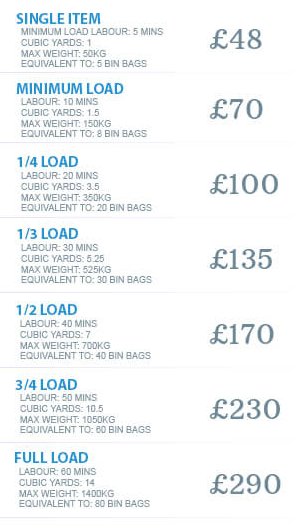
 Tipper Van - Rubbish Removal and Junk Collection Prices in West Hampstead NW6
 Luton Van - Rubbish Removal and Junk Collection Prices in West Hampstead NW6