What West Hampstead landlords must know about waste permits
Posted on 23/10/2026

If you let property in NW6, waste can become one of those small jobs that turns into a headache fast. A missed bin collection, an awkward builder's skip, or a pile of end-of-tenancy rubbish outside a flat block can create friction with tenants, neighbours, and the council. That is why understanding What West Hampstead landlords must know about waste permits matters more than it first appears. It is not just about getting rid of junk. It is about staying organised, avoiding avoidable costs, and keeping your property compliant and presentable.
In West Hampstead, many rental properties sit on busy streets, tight access roads, or shared blocks where waste handling is slightly more complicated than it looks on paper. The good news? Once you understand when a permit might be needed, what it covers, and how to plan around it, the whole thing becomes much easier. Let's walk through it properly.
- Why waste permits matter for West Hampstead landlords
- How waste permits work in practice
- Benefits and practical advantages
- Who needs this and when it makes sense
- Step-by-step guidance
- Expert tips for smoother waste removal
- Common mistakes to avoid
- Tools, resources and recommendations
- Law, compliance and best practice
- Options and comparison table
- Real-world example
- Practical checklist
- Conclusion
- Frequently asked questions
Why What West Hampstead landlords must know about waste permits Matters
For landlords, waste issues rarely stay small for long. A tenant moves out and leaves furniture behind. A refurb starts later than expected, and suddenly there is plasterboard, timber, packaging, and old fixtures in a front garden or hallway. Or a skip is delivered, but nobody has checked whether it can legally sit where it needs to go. That is where permit knowledge becomes practical, not theoretical.
In West Hampstead, the stakes are higher because space is tight and the streets are busy. A bin or skip left in the wrong place can block footways, upset neighbours, or lead to enforcement attention. Even when the waste itself is harmless, the placement and handling of it may not be. That distinction catches people out all the time.
For landlords, this matters for three clear reasons:
- Compliance: you need to understand when a skip, scaffold bay, or temporary storage arrangement requires a permit or consent.
- Cost control: poor planning can mean extra charges, delays, repeat collections, or fines from avoidable mistakes.
- Tenant and neighbour relations: a tidy, well-managed property is easier to let, easier to maintain, and less likely to generate complaints.
To be fair, most landlords do not spend their evenings thinking about permits. They are thinking about void periods, contractors, rent, and repairs. But waste is one of those background issues that quietly affects everything else. If it is handled well, nobody notices. If it is handled badly, everyone notices.
Expert summary: Waste permits are usually less about the rubbish itself and more about where it sits, how long it stays there, and whether it affects public land, access, or local rules. For West Hampstead landlords, that is often the real decision point.
How What West Hampstead landlords must know about waste permits Works
In simple terms, a waste permit is official permission to place something connected with waste management in a location or for a purpose that would otherwise need approval. In landlord situations, this usually shows up in one of a few ways: a skip on the road, waste containers in a shared or restricted area, or temporary arrangements during building or clearance works.
What matters most is that not every waste activity needs the same level of approval. Some arrangements may be covered by a contractor's process, some may require a permit from the relevant authority, and some may not need a permit at all if the waste stays entirely on private land and does not breach any local restrictions. This is why a blanket assumption is risky. One property can need a permit while the one next door does not.
Here is the practical logic landlords should keep in mind:
- Where is the waste being placed? Private driveway, communal forecourt, pavement, road, or rear access area all have different implications.
- How long will it stay there? Temporary and longer placements may be treated differently.
- What type of waste is it? General household rubbish, bulky furniture, builders' waste, and hazardous items may be handled differently.
- Who is managing it? The landlord, managing agent, tenant, contractor, or waste carrier may each have a role.
If a skip is needed, the permit question often becomes central. If the waste is being removed by a collection crew, the issue may shift to access, loading time, parking, and whether the operator is properly licensed and insured. That is why the answer is not always "yes, you need a permit" or "no, you do not." It depends. Annoying, yes. But useful once you know the pattern.
For landlords handling larger clearances, it can help to think in phases. A property inspection, then a contractor quote, then the waste plan, then the permit check. That sequence prevents a lot of last-minute scrambling, especially when a refurbishment is running late and somebody is standing on the pavement asking where the sofa is supposed to go.
Key Benefits and Practical Advantages
Understanding waste permits is not just about avoiding trouble. It can genuinely improve how you run a property. A good waste plan saves time, reduces stress, and keeps jobs moving in the right order. In a busy part of London, that matters more than most landlords realise.
Here are the main advantages:
- Fewer delays: you do not end up waiting because a skip cannot be delivered or placed where expected.
- Cleaner handovers: end-of-tenancy clearances run more smoothly when there is a proper disposal plan.
- Better contractor coordination: builders, decorators, and clearance teams can work without awkward stoppages.
- Reduced complaint risk: tidy waste handling lowers the chance of neighbour complaints or management issues in blocks.
- Stronger property presentation: a well-managed exterior makes a real difference, especially when marketing a flat or arranging a viewing.
There is also a financial side to this. Waste that has to be moved twice, placed temporarily, or dealt with by urgent same-day collection often costs more than planned removal. A permit check at the start can be cheaper than a correction later. That sounds obvious, but people still miss it all the time.
If you are comparing broader clearance options, it may help to look at a service overview before deciding how you want to manage the job. For many landlords, that wider picture is useful before they arrange a one-off removal or a recurring clearance pattern. You can start with a general look at available waste removal services and then narrow things down to the job in hand.
Who This Is For and When It Makes Sense
This topic is especially relevant if you manage flats, HMOs, converted houses, or any rental property where waste is not as simple as wheeling a bin to the kerb. It is also important if you are a hands-on landlord who arranges repairs directly, because the permit question often arises during refurbishments and clearances rather than routine lettings.
You may need to think about waste permits if you are:
- clearing a property after a tenant moves out;
- having renovation or repair work done;
- dealing with bulky items left in a flat, cellar, loft, or garage;
- managing shared access, narrow streets, or restricted parking;
- working with contractors who need space for loading waste;
- arranging a skip or waste container near a public footway or road.
It also makes sense for landlords with multiple properties in the area. Once you manage more than one address, waste jobs can become a pattern rather than a one-off. In that case, having a repeatable process saves a lot of time.
For example, if you regularly refurbish older rental stock, you may find that builders' waste clearance is more predictable when you already know which jobs need planning, which properties have awkward access, and which ones need extra care around communal areas. A page like builders' waste clearance in West Hampstead can be a helpful starting point when those works are on the horizon.
Not every landlord needs the same level of involvement. Some just need to know enough to ask the right question before a contractor starts. Others need to coordinate the whole thing. Either way, a little knowledge goes a long way.
Step-by-Step Guidance
Here is a practical way to approach waste permits without overcomplicating it. Nothing fancy. Just a sensible sequence that works in real life.
1. Identify what type of waste you are dealing with
Start by separating the job into categories. Is it end-of-tenancy rubbish, old furniture, builder's debris, garden waste, or a mix of everything? The type matters because it affects the removal method, the time needed, and whether specialist handling may be required.
2. Decide where the waste will sit before removal
If the waste can stay fully on private property, the permit question may be simpler. If it must go on the road, pavement, or another shared area, that is where approvals and permissions become much more important. This is often the part people underestimate. A sofa in a hallway is one thing; a sofa on the pavement outside a terraced house is another entirely.
3. Check access before you book anything
West Hampstead properties often have narrow frontages, stairwells, basement entrances, or limited loading space. That affects whether a skip, van, or team of collectors can work efficiently. If access is awkward, plan for it early. Do not leave the access question until the morning of the job. That way lies stress.
4. Confirm who is responsible for the permit or permission
Sometimes the contractor handles this. Sometimes the landlord does. Sometimes a managing agent or freeholder needs to be involved, especially in shared blocks. You need clarity here, because responsibility can become muddy very quickly when problems arise. Best to pin it down in writing if possible.
5. Build the permit timeline into the job schedule
Permits, parking arrangements, and delivery windows can all affect the start date. If a contractor is ready but the placement approval is not, the whole job may stall. That is frustrating, especially when a tenant move-out or refurb deadline is already tight.
6. Keep records
Hold onto quotes, confirmation details, and any notes on who arranged what. If a neighbour later raises an issue or a contractor query comes up, you will be glad you kept a paper trail. It does not need to be complicated. Even a simple folder in your inbox helps.
Expert Tips for Better Results
A few practical habits make a big difference here. These are the things that tend to separate a smooth job from a messy one.
- Book around local traffic realities: West Hampstead can get busy at awkward times, especially near station routes and commuter periods. A collection that looks fine on paper may feel much harder if loading space disappears at the wrong moment.
- Choose the right removal method: Sometimes a skip is the right answer. Sometimes a same-day clearance team is cleaner and simpler. If the waste is already bagged and the access is tight, a van-based collection can be far more practical.
- Ask about licensing and insurance: You want any waste carrier you use to be properly set up. That is not being fussy; it is basic protection for your property and reputation.
- Plan for surprises: Old furniture often hides extra waste inside it. Builders' jobs nearly always generate more material than the first estimate suggests. Truth be told, that part is almost a rule.
- Communicate with neighbours if needed: A short note about a temporary waste collection can prevent irritation, especially in shared buildings.
One small but useful tip: if you are clearing a flat that has been empty for a while, walk through it slowly before booking. Cupboards, loft hatches, under-bed spaces, storage cages, behind appliances-waste always seems to have one more hiding place. It's uncanny.
If you want a more property-specific approach, location-focused guides can help you think through practical access and local constraints. For example, local rubbish collection advice around West End Lane and nearby streets often highlights the same kinds of access issues that landlords run into in the wider area.

Common Mistakes to Avoid
Most waste-related problems are not dramatic. They are just small oversights that stack up. The good news is that most of them are avoidable once you know what to look for.
- Assuming a contractor will sort everything: never assume. Ask exactly who is handling permissions, delivery, and collection.
- Leaving it too late: permits, parking, and access arrangements can all create delays if you try to fix them on the day.
- Overfilling a skip or collection plan: this can lead to refusal, extra charges, or a second visit.
- Ignoring communal rules: if the property is in a managed block, there may be additional building rules beyond the basic permit question.
- Mixing waste types carelessly: some materials need separate handling, especially if they are bulky, sharp, or potentially hazardous.
- Not checking the access route: a route that seems fine can quickly become a problem with parked cars, delivery vans, or narrow stairwells.
A classic mistake is the "I'll just put it outside for now" approach. That sounds harmless until the pile sits there longer than expected. Then it becomes visible, awkward, and sometimes a nuisance. Better to treat every external placement as a small project, not an afterthought.
Tools, Resources and Recommendations
You do not need a complicated toolkit to manage waste properly, but a few simple resources make life much easier.
- A clear property inventory: useful when you are working out what should be removed after a tenancy ends.
- Photos before removal: these help with accountability and can be useful if there is any disagreement later.
- A basic schedule: keep the waste job aligned with contractors, inspections, and tenancy dates.
- Site notes: jot down whether access is via front steps, rear lane, side gate, or communal hallway.
- A trusted clearance contact: ideally someone who understands both the practical and compliance side of the work.
For landlords who deal with furniture and bulky items often, it can also help to know which disposal route makes sense for each type of item. General rubbish, old beds, sofas, wardrobes, broken shelving, and mixed clear-out waste do not always need the same handling. If you are regularly clearing rentals, a dedicated furniture disposal service can be a cleaner fit than trying to force everything into one general arrangement.
And if the waste job is broader than a few large items, a local rubbish clearance option may save time compared with piecemeal disposal. Sometimes simpler really is better.
Law, Compliance, Standards, or Best Practice
When waste touches public space, access, or removal by a third party, compliance becomes part of the job. The exact rules can vary depending on the situation, and landlords should be careful not to rely on assumptions. If you are unsure, check the relevant local requirements before you book anything that affects the pavement, road, or a shared area.
From a best-practice point of view, landlords should aim to do three things consistently:
- Use properly licensed waste services: this protects you from problems caused by improper disposal.
- Keep clear records: retain quotes, collection details, and job notes for your files.
- Respect access and neighbour considerations: especially in blocks, terraces, and streets with limited space.
It is also sensible to understand the difference between waste removal, recycling, and disposal. A good operator should be able to explain how items are handled, what can be reused or recycled, and what cannot. That does not mean every load will be sorted into perfect little categories-real life is messier than that-but you should have a clear idea of the general process.
For landlords who care about sustainability as well as compliance, it is worth looking at providers that talk openly about their recycling approach. A page on recycling and sustainability can help frame those expectations in a practical way, without making the process feel overly academic.
One more thing: if your building has management rules, lease conditions, or service agreement requirements, those may sit alongside wider waste obligations. In other words, the law is not the only thing that matters. Sometimes the building rules bite just as hard. Slightly tedious, yes. Still important.
Options, Methods, or Comparison Table
Landlords usually have a few routes to choose from. The best one depends on the waste volume, the urgency, the access, and whether you need anything placed on or near public land.
| Option | Best for | Typical strengths | Possible drawbacks |
|---|---|---|---|
| Skip hire | Refurbishments, bulky mixed waste, longer jobs | Handles a lot in one go; useful when work runs over several days | May require extra planning; placement and permit issues can arise |
| Van-based rubbish collection | Quick clearances, end-of-tenancy rubbish, furniture removal | Fast, flexible, often better for tight access | May need precise timing; less suitable for large ongoing works |
| Dedicated builders' waste clearance | Renovation debris, contractor waste, trade materials | Useful for heavier jobs and site clean-up | Can be more complex if access is restricted or timings slip |
| Furniture or bulky item removal | Single items or room clear-outs | Simple for landlords managing flat resets or voids | Not ideal for mixed construction waste |
If you are weighing up options, think beyond price alone. A cheaper-looking choice can become expensive if it triggers a delay, an extra trip, or a permit headache. The right method is the one that actually fits the property. That sounds obvious, but it is the bit people often skip.
Case Study or Real-World Example
Picture a landlord with a two-bed flat near a busy West Hampstead street. The tenants move out on a Friday, leaving behind a broken wardrobe, a sofa, several black bags, and a few odds and ends in the hallway. The landlord wants the property re-let quickly, so the instinct is to get it all cleared at once.
At first glance, it seems simple. Then the details show up. The hallway is narrow. There is no lift. Parking is tight. The property sits in a block with shared access rules. A skip would be awkward, and putting waste outside "just for a few hours" would probably create more problems than it solves. Not ideal.
In that situation, a better plan is often a targeted collection with an operator who understands access constraints and can remove the waste efficiently without turning the pavement into a holding bay. If there are builder's leftovers from a quick refresh afterwards, the landlord may then switch to a more suitable clearance method for the renovation phase.
This is the part many landlords only learn after one awkward experience. The first job teaches the lesson. The second job goes much better. Happily, it usually does.
If you have ever had a collection stall because access was tighter than expected, you are not alone. A lot of West Hampstead properties have the same challenge, especially where parking, loading, and shared entrances all collide in one small patch of street. That is just London, really.

Practical Checklist
Use this as a quick landlord checklist before any waste job in West Hampstead:
- Confirm exactly what needs removing.
- Check whether any item is bulky, fragile, or needs special handling.
- Work out where the waste will be placed before collection.
- Check access, parking, and loading restrictions.
- Confirm who is responsible for permits or permissions.
- Ask whether the service provider is licensed and insured.
- Set the removal date around tenancy, contractor, or inspection timings.
- Notify neighbours or building management if the job might affect them.
- Take photos before and after the clearance.
- Keep records of quotes, booking details, and any confirmations.
If you can tick those boxes, you are already ahead of most people. Not glamorous work, admittedly, but it keeps everything calmer.
Get a free quote today and see how much you can save.
Conclusion
What West Hampstead landlords must know about waste permits comes down to this: waste is not just a disposal issue, it is a property-management issue. If you get the permit side right, the rest tends to fall into place more smoothly. If you ignore it, small jobs become expensive ones very quickly.
The most useful habit is simple: plan early, check access, clarify responsibility, and choose the right removal method for the property. Do that, and you will avoid most of the common problems before they have a chance to start. It is one of those behind-the-scenes tasks that makes the whole rental operation feel more controlled, more professional, and far less chaotic.
And honestly, that calm is worth a lot.


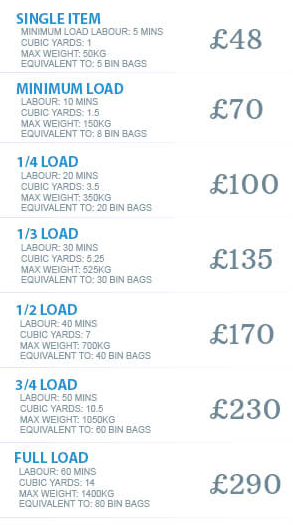
 Tipper Van - Rubbish Removal and Junk Collection Prices in West Hampstead NW6
 Luton Van - Rubbish Removal and Junk Collection Prices in West Hampstead NW6