West Hampstead West End Lane rubbish removal guide
Posted on 29/05/2026
If you are dealing with a flat clearance, a garden tidy-up, old furniture, or a half-finished DIY pile on West End Lane, rubbish removal can go from "I'll sort it later" to "this has to go today" very quickly. That's especially true in West Hampstead, where space is tight, access can be awkward, and one bulky item can dominate a hallway like it pays rent.
This West Hampstead West End Lane rubbish removal guide is here to make the whole thing feel simpler. You will learn how the service works, what to expect, how to compare options, what can catch people out, and how to choose the most sensible approach for your waste. Whether you're clearing a loft, replacing office furniture, or just trying to reclaim the corner of your bedroom that has become a graveyard for boxes, this guide should help.
We'll keep it practical. No fluff, no mystery, and no pretending every clearance is the same. It never is, to be fair.

Why West Hampstead West End Lane rubbish removal guide Matters
West End Lane sits at the heart of a busy part of North West London, and that makes waste removal a little more involved than simply dragging bags to the kerb. Flats often have narrow stairwells, shared entrances, limited parking, and neighbours who appreciate a clean, tidy setup. If you get the disposal side wrong, you can end up with extra trips, wasted time, avoidable strain, or rubbish sitting around longer than it should.
That matters for a few reasons. First, clutter slows everything down. A property sale, tenancy change, renovation, or office refresh can all stall if rubbish is still in the way. Second, unsafe or badly sorted waste can become a hazard. Broken glass in the wrong bag, heavy items left in a passage, or paint tins mixed with general junk are not just annoying; they make the job harder and riskier. Third, in a busy area like West Hampstead, the practical details matter: access, timing, loading, and disposal all need thought.
There's also a money angle. Choosing the wrong method can mean paying for more capacity than you need, or hiring a skip when a collection service would have been much quicker. That's why a proper guide helps. It gives you the shape of the job before you commit.
If you want a broader picture of what the service covers, the site's services overview is a useful starting point. And if the job is tied to a move, sale, or change of use, the local context matters too; the area pages and community-focused articles, such as living in Hampstead insider perspectives, help explain why local knowledge is so useful around here.
How West Hampstead West End Lane rubbish removal guide Works
In plain English, rubbish removal is the process of collecting unwanted items from your property, loading them safely, and taking them away for sorting, reuse, recycling, or disposal. The exact process depends on what you need removed and how much space the waste takes up.
Most people choose between two broad approaches:
- Man and van style rubbish collection, where a team comes to load your items and removes them in one visit.
- Skip hire, where a skip is delivered and you fill it yourself over a set period.
For many West End Lane homes, the first option is easier. Access is often the deciding factor. If you have basement access, no lift, a shared hallway, or a parking situation that makes logistics a bit of a faff, a collection team can save a lot of hassle. If you're working slowly over several days, a skip may still be useful.
A typical rubbish removal visit usually follows a simple pattern:
- You describe the items or send photos.
- You get a quote or estimate.
- A team arrives at an agreed time.
- They remove, load, and tidy the area.
- The waste is sorted afterwards for the most suitable destination.
The best services keep the process calm and clear. No drama. No vague "we'll see when we get there" nonsense. A good provider should make it obvious what is included, what needs extra care, and what can be recycled or reused.
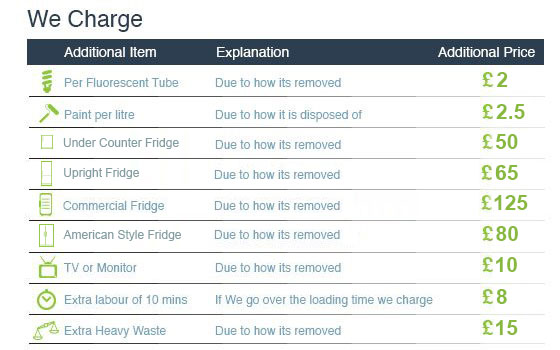
For more on pricing structure and what affects the final figure, have a look at pricing and quotes. It is one of those pages worth checking before you compare providers, because quote structure can vary quite a bit.
Key Benefits and Practical Advantages
The obvious benefit is getting rid of unwanted waste. But the real value is bigger than that. Good rubbish removal clears space, reduces stress, and helps you get on with the next part of the job.
Here are the main advantages people usually notice:
- Speed: collections can often be arranged faster than you might expect, which is handy when a property deadline is close.
- Less lifting for you: heavy furniture, builders' waste, or awkward loft items are handled by people used to moving them safely.
- Better fit for tight streets: in areas like West Hampstead, a collection service can be more practical than leaving a skip outside for days.
- Cleaner finish: once the waste goes, the room, garden, or office feels usable again. Amazing what a difference that makes.
- Better sorting: reputable teams can separate different materials for recycling, which is better than a mixed pile sitting in a heap.
There's also a psychological benefit people don't always mention. A cluttered room can feel oddly heavy. Once the waste is gone, the space looks brighter, sounds quieter, and the next decision becomes easier. You can measure that in square feet if you like, but honestly, you feel it first.
If sustainability matters to you, the site's recycling and sustainability page is well worth reading. It helps set expectations about responsible disposal and the wider approach to reuse and recycling.
Who This Is For and When It Makes Sense
Not every waste problem needs the same solution. This guide is most useful if you're in one of these situations:
- Homeowners or tenants clearing a flat, storage room, loft, or garden
- Landlords dealing with end-of-tenancy leftovers, broken furniture, or a full property refresh
- Home movers who want to remove items before sale, completion, or handover
- Office managers clearing desks, chairs, filing cabinets, or general workplace clutter
- Builders and decorators with renovation debris that needs to leave the site quickly
- People doing a big sort-out after years of "we'll deal with that later"
It also makes sense if access is awkward. West End Lane properties can present all the usual London challenges: shared corridors, stairs, limited loading time, and neighbours close enough to hear every bump of a wardrobe on the way out. In those settings, a hands-on collection service is often more sensible than trying to do it yourself.
Households with larger clear-outs may want to look at house clearance in West Hampstead, while anyone dealing with old sofas, beds, or chairs might prefer furniture disposal in West Hampstead. Different jobs, different shape. Simple as that.
Step-by-Step Guidance
Here is a sensible way to handle rubbish removal on or around West End Lane without making it harder than it needs to be.
- Sort the waste into broad groups. Keep furniture, general junk, green waste, and builders' materials separate where possible. You do not need museum-level precision, just enough order to make the quote accurate.
- Check for anything hazardous or restricted. Paints, chemicals, gas bottles, batteries, asbestos, and some electrical items need special handling. Don't tuck them into a random bag and hope for the best.
- Measure the bulkier items. A sofa that looks small in a corner can feel very different once it has to turn a stairwell. Funny how that works.
- Take clear photos. If you're getting a quote remotely, good photos save time and reduce surprises.
- Think about access. Note floor level, lift availability, parking restrictions, entry codes, and whether someone needs to be present.
- Ask what happens after collection. Reuse, recycling, and disposal routes are not all the same. A responsible provider should be clear about the process.
- Book a slot that suits the property flow. If you're in the middle of a move or refurbishment, the timing matters as much as the removal itself.
- Do a final sweep before the team arrives. Empty drawers, check cupboards, and make sure keep items are not mixed in with the waste. Happens more often than you'd think.
A useful rule of thumb: the better prepared you are, the smoother the collection. Not perfection. Just decent preparation.
If your job involves heavier renovation debris, the dedicated builders waste clearance in West Hampstead page is a good match for understanding that type of removal in more detail.
Expert Tips for Better Results
Here's where a little local know-how helps. The goal is not just to remove waste, but to remove it efficiently and without friction.
1. Photograph everything in daylight
Bright, honest photos beat vague indoor shots every time. You want the pile, the access route, and any bulky objects shown clearly. Morning light near a West End Lane window can be ideal. No need for art direction.
2. Be specific about mixed waste
A pile with old wood, broken shelving, a mattress, and garden cuttings is not the same as a heap of cardboard. Mixing can affect how the load is handled, so spell it out.
3. Keep walkways clear
If collection teams can move items in a straight line, the job tends to go faster and safer. That matters in narrow hallways and shared entrances.
4. Separate reusable items where possible
Even if something is no longer right for your home, it may still be useful elsewhere. A sturdy chair, intact table, or working appliance can sometimes be kept out of the waste stream. That's sensible and usually cleaner.
5. Match the service to the job
General junk? A rubbish collection service might be enough. A full property reset? Look at clearance. Ongoing business waste? Office clearance may be the better fit. Choosing well the first time saves a round of back-and-forth later.
For office-related jobs, the page on office clearance in West Hampstead is especially relevant. It can help you think through equipment, furniture, and workplace waste in a more structured way.
And one more thing: if you're unsure, ask. That really is one of the best expert tips. A quick conversation often clears up confusion before it becomes a problem.

Common Mistakes to Avoid
Most clearance problems are predictable. That's the annoying part. They are also avoidable, which is the good news.
- Underestimating volume: a job that looks small in the morning can turn into a full load by lunchtime.
- Forgetting access details: stairs, permits, locking gates, or loading restrictions should be flagged early.
- Mixing prohibited items with general rubbish: batteries, chemicals, and certain electrical components need proper attention.
- Assuming every service does the same thing: some providers focus on collection, others on full clearance, and some do both.
- Leaving it too late: if you are tied to a move or refit, late booking can cause unnecessary pressure.
- Not checking what is included: labour, loading, disposal, and tidying can be packaged differently by different providers.
One common London mistake is parking assumptions. "We'll just pull up outside" sounds fine until you remember the street, the time of day, and the reality of city traffic. It's not dramatic, just practical. Plan for the access you actually have, not the access you wish you had.
If you are weighing up collection against a skip, the skip hire in West Hampstead page can help you compare the idea of filling your own container versus having items removed for you.
Tools, Resources and Recommendations
You do not need a van full of equipment to get started, but a few simple tools and habits help enormously.
- Heavy-duty gloves: useful for sorting sharp or dusty items.
- Bin bags and boxes: keep small items grouped and easier to lift.
- Measuring tape: useful for beds, wardrobes, appliances, and awkward furniture.
- Marker pen and labels: handy if you are separating keep, donate, and remove piles.
- Phone camera: photos make quoting and planning much easier.
It also helps to know which page to use for which need. A few examples:
- Rubbish clearance in West Hampstead for general mixed waste
- Waste removal in West Hampstead for broader collection needs
- Junk removal in West Hampstead if you just need the clutter gone, quickly and cleanly
- Garage clearance in West Hampstead for sheds, garages, and stored odds and ends
- Loft clearance in West Hampstead for attic spaces, old storage, and bulky seasonal items
If you want a sense of the team behind the service, the about us page is useful. It can help reassure readers who care about approach, standards, and how the business works in practice.
Law, Compliance, Standards, or Best Practice
Waste removal in the UK is not something to treat casually. You do not need to become a compliance expert, but it helps to understand the basics.
As a customer, the key best-practice points are straightforward:
- Use a reputable carrier: waste should be handled by a provider that knows how to manage it properly.
- Do not mix hazardous items with general rubbish: this includes chemicals, solvents, and certain electrical or sharp materials.
- Keep records where relevant: for businesses and landlords, a simple note of what was removed and when can be helpful.
- Follow property and access rules: shared buildings, managed blocks, and commercial premises may have their own requirements.
- Ask about insurance and safety procedures: especially if items are heavy, awkward, or being removed from upper floors.
For extra reassurance, the site's insurance and safety page explains the kind of care you should expect on a job like this. That matters more than people think. Nobody wants a damaged wall, a knocked stair rail, or a risky lift of a heavy wardrobe.
There's also a privacy and payment angle for customers who are booking online or asking for a quote. If that matters to you, the pages on payment and security and privacy policy are the right place to check the basics. Clear, plain, no fuss.
Options, Methods, or Comparison Table
Here is a simple comparison of the most common approaches. The best choice depends on access, timing, and how hands-on you want the process to be.
| Method | Best for | Pros | Watch-outs |
|---|---|---|---|
| Rubbish collection | Quick removal of mixed waste, furniture, and household clutter | Fast, low effort, often ideal for tight access | Needs clear description of items and access |
| Skip hire | Longer projects and DIY jobs with waste added over time | Flexible filling period, useful for ongoing work | Needs space, can be less convenient in busy streets |
| Full house clearance | Complete property emptying or major downsizing | Comprehensive and efficient for bigger jobs | Requires planning and clear item separation |
| Specialist clearance | Builders' waste, garden debris, lofts, garages, offices | Better matched to the waste type | Some materials need extra care or separate handling |
If you are still unsure, ask yourself one honest question: do you want to do the lifting and sorting, or do you want it handled in one clean visit? That answer usually points you in the right direction.
Case Study or Real-World Example
Picture a typical West End Lane flat clearance. A tenant is moving out, the landlord wants the space ready for decorating, and there is a mix of items left behind: an old mattress, a broken chair, a couple of shelving units, cardboard boxes, and some smaller bits from the kitchen cupboards. Nothing dramatic, just enough to make the place feel stuck.
At first, the client thinks they can move everything themselves over a couple of evenings. Then they remember the stairs. And the hallway. And the fact that the mattress will not magically become lighter because the calendar is inconvenient.
A better plan is to sort the items into broad groups, take photos, confirm access, and arrange a collection that fits the building and the timeframe. The result is usually a much calmer day. The space gets cleared, the decorator can start, and nobody is carrying furniture at 7:30 p.m. while muttering under their breath. Small mercies.
For jobs like this, a dedicated service such as rubbish collection in West Hampstead can be the simplest fit. If the property is a full empty rather than a light tidy, then a more complete house clearance is likely more appropriate.
Practical Checklist
Use this checklist before booking or on the morning of the collection.
- List the main items that need removing
- Separate hazardous or restricted materials
- Take clear photos of the waste and access points
- Check stairs, lifts, and parking arrangements
- Measure bulky items if needed
- Decide what is staying and what is going
- Confirm whether you need a collection, clearance, or skip
- Ask about timing, loading, and any extra charges
- Keep pathways and exits clear
- Do a final room check before the team arrives
Expert summary: the smoothest rubbish removal jobs are the ones with clear access, honest item descriptions, and the right service matched to the right pile. It sounds obvious, yet that's exactly where most delays start.
If you are ready to sort your waste properly, choose the service that matches your space, your timing, and your level of effort. For questions about availability or the next suitable step, you can always start with the contact page and go from there.
Get a free quote today and see how much you can save.
Conclusion
A good rubbish removal plan for West End Lane is not complicated, but it does reward a little thought. Know what you need removed, understand the access, choose the right service type, and make sure the disposal approach is sensible for the materials involved. That alone removes most of the stress.
For many people, the biggest win is not just the empty space. It is the sense that the job has moved from your mental list into someone else's capable hands. That relief is real. And once the clutter is gone, the room often feels bigger, calmer, and strangely full of possibility. Which, in the middle of a busy London week, is no small thing.


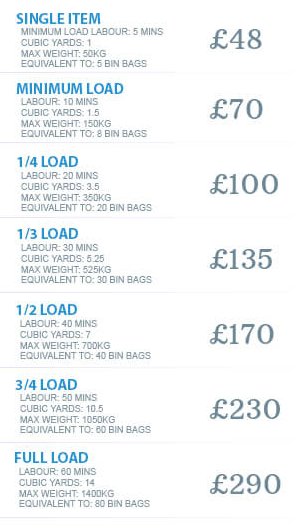
 Tipper Van - Rubbish Removal and Junk Collection Prices in West Hampstead NW6
 Luton Van - Rubbish Removal and Junk Collection Prices in West Hampstead NW6