NW6 Thameslink station rubbish disposal options nearby
Posted on 14/06/2026
NW6 Thameslink Station Rubbish Disposal Options Nearby: A Practical Local Guide
If you are trying to sort out rubbish near NW6 Thameslink station, you probably want the same three things most people do: something close by, something legal, and something that does not turn into a half-day chore. That is the real story behind NW6 Thameslink station rubbish disposal options nearby. Whether you are clearing out a flat, getting rid of a worn sofa, or dealing with a steady stream of renovation waste, the best option is usually the one that fits your load, your timing, and your tolerance for faffing about.
Near West Hampstead and the wider NW6 area, there are a few sensible ways to deal with unwanted items. Some are quick but limited. Others are better for bulkier waste. And a couple are simply better when you want the whole thing handled properly, without multiple trips or the usual "where on earth does this go?" moment. This guide walks through the options in plain English, so you can choose confidently and avoid the common mistakes that make disposal more expensive or more stressful than it needs to be.
Why NW6 Thameslink station rubbish disposal options nearby Matters
NW6 Thameslink station sits in a busy part of London where flats are compact, access can be awkward, and waste tends to build up faster than you expect. One old wardrobe can become a hallway problem. A bit of builder's rubble can become a neighbourly issue. And if you are trying to move things around during the school run, the evening commute, or a rainy Saturday, every extra step matters. Truth be told, convenience is not a luxury here; it is often the deciding factor.
Good disposal choices matter because the wrong one can create more problems than it solves. For example, leaving bags outside without a plan can attract spills, pests, or complaints. Using a service that is not suited to mixed waste can mean rejected loads or extra charges. And taking a bulky item on public transport? Let's not pretend that is anyone's idea of a good day.
There is also the local context. NW6 is a lived-in, high-traffic area with flats, offices, shops, and renovation activity all overlapping. That means rubbish disposal near the station is not just about getting rid of waste. It is about doing it in a way that respects access, timing, neighbours, and the practical realities of London streets.
If you are planning a larger clear-out, it can help to look at broader support pages too, such as the services overview or rubbish clearance in West Hampstead, especially if your job involves more than a few bin bags.
How NW6 Thameslink station rubbish disposal options nearby Works
Nearby disposal options usually fall into a few broad categories. The right one depends on volume, material type, speed, and whether you want to handle the lifting yourself. The basic process is simple, even if the details are not always glamorous.
1. Sort what you have. Separate general household waste, reusable items, recyclables, garden cuttings, electricals, and anything bulky or hazardous. A mixed pile looks smaller than it is, which is a classic mistake.
2. Decide whether you need a quick drop-off or a collection. Some waste is easy to carry to a disposal point. Other items, such as broken furniture or heavy bags, are better handled through collection or a dedicated clearance service.
3. Match the disposal method to the waste type. Clean cardboard, bagged household rubbish, furniture, builders' waste, and green waste all behave differently. They also cost differently to move.
4. Check access and timing. Near a station, loading windows can be narrow. Parking can be limited. If you are using a van or skip, plan for access before you start shifting things around.
5. Dispose responsibly. A good disposal route should prioritise proper sorting and recycling where possible. That is why many people prefer professional help for mixed loads or larger clear-outs, especially when time is short.
In practice, the best option often ends up being a mixed one: a bag-and-bulk collection for the awkward stuff, plus separate handling for items you can recycle or donate. Simple enough on paper. Slightly less simple in a cramped flat with a broken chest of drawers, but still manageable.
Key Benefits and Practical Advantages
Choosing the right rubbish disposal option near NW6 Thameslink station offers more than a cleaner room. It can actually make day-to-day life easier, which sounds obvious until you are standing beside a pile of waste wondering how it became your weekend.
- Less disruption: you avoid repeated trips, heavy lifting, and sorting issues at the last minute.
- Better use of time: collection-based options usually save far more time than self-haul methods.
- Cleaner access routes: this matters a lot in shared buildings, narrow stairwells, and streets with limited parking.
- More flexible for bulky items: sofas, mattresses, wardrobes, and office furniture are awkward to move without the right setup.
- Potentially better recycling outcomes: sorted loads are generally easier to handle responsibly.
- Reduced risk of damage or injury: not everything should be wrestled down two flights of stairs by one overconfident person.
There is also a psychological benefit. Once the clutter goes, the room looks bigger, brighter, and calmer. You notice the floor again. The air feels less stuck. It sounds a bit dramatic, maybe, but many people feel that shift straight away.
If you are dealing with specific item types, it is worth looking at dedicated pages such as furniture disposal in West Hampstead, garden waste removal, or builders' waste clearance. Those jobs each come with their own little quirks.
Who This Is For and When It Makes Sense
This topic is relevant if you live, work, or manage property near NW6 Thameslink station and need a practical way to remove waste without overcomplicating the job. It suits a lot of everyday situations.
- Flat tenants clearing old furniture before a move-out.
- Landlords and agents dealing with left-behind items after a tenancy.
- Homeowners tackling loft, garage, or spare-room clutter.
- Small businesses removing office waste or redundant stock.
- Tradespeople needing fast removal of renovation debris.
- People in a hurry who cannot spend half the week ferrying bits and pieces around.
It makes sense to choose a nearby disposal option when speed, access, or volume is the main issue. If you only have one small bag, a bigger solution may be unnecessary. But if you have a combination of bagged rubbish, broken furniture, and a few awkward odds and ends, the more flexible route often saves money in the end. Not always, but often enough.
For larger domestic clearances, house clearance in West Hampstead can be a better fit than piecemeal disposal. If it is work-related, office clearance may be the cleaner route. And if you are somewhere in between, junk removal tends to cover a mixed bag of everyday situations quite neatly.
Step-by-Step Guidance
Here is a practical way to handle rubbish disposal near NW6 Thameslink station without overthinking it.
- List everything you want gone. Be specific. "A few bits" is not enough when there is a mattress, three bags, a broken desk, and a bag of cables all pretending to be one job.
- Group items by type. Separate bulky items, general rubbish, recyclables, and anything that may need special handling. This helps you avoid mismatching the service to the waste.
- Check what you can move yourself. If the item is light, clean, and easy to carry, self-disposal or a small collection may be fine. If not, stop and think before you strain something you will regret tomorrow.
- Measure access. Note stairs, narrow corridors, no-parking restrictions, or controlled loading points. In NW6, access can matter as much as the waste itself.
- Choose the disposal method. Select the route that fits the load: collection, skip hire, or a full clearance service.
- Book with enough detail. Share the waste type, approximate volume, and any access problems. A clear description usually prevents awkward surprises.
- Prepare the items. Move waste to a sensible pickup point if possible, and keep usable items separate from rubbish.
- Follow through responsibly. Keep a note of what was removed, especially if you are clearing on behalf of a landlord, business, or managed property.
A small but useful tip: take a quick photo of the waste before booking. It helps you remember what is there, and it saves the classic "I thought it was smaller" conversation later on.
Expert Tips for Better Results
The best disposal jobs usually go smoothly because someone planned the boring bits in advance. That is the secret, really.
Start with the awkward item first. If there is a sofa, mattress, or old wardrobe involved, build the plan around that item. Small bags can usually be handled later, but awkward bulk dictates the rest of the job.
Don't mix reusable items with dirty waste. Once clean items are contaminated, reuse and donation become harder. Keep anything salvageable separate, even if it means one extra stack in the corner for a day or two.
Think about timing around the station. Peak commuter periods can make access more difficult. Early morning or mid-afternoon often works better than the busiest windows.
Be realistic about your own lifting ability. A heavy item on a third-floor landing feels different from the same item in a hallway. Gravity is not your friend here.
Use specialist pages when the job is specific. For instance, garage clearance, loft clearance, and garage clearance each solve a different kind of mess. A one-size-fits-all approach can be a bit lazy, to be fair.
Check the provider's recycling approach. Even if you are not trying to become a sustainability expert overnight, it is sensible to choose a service that handles waste carefully and sorts reusable material where possible. You can read more about this approach on the site's recycling and sustainability page.
Keep paperwork tidy for commercial jobs. If you are disposing of office waste, renovation debris, or items from a managed property, records help. Nothing flashy. Just sensible.
Common Mistakes to Avoid
Most disposal problems are not dramatic. They are just mildly annoying, then unexpectedly expensive. The good news is they are avoidable.
- Underestimating volume: one room's clutter often becomes two van loads once sorted.
- Leaving booking details vague: "general rubbish" is not very helpful if you also have timber, metal, and a disassembled bed frame.
- Ignoring access issues: staircases, loading restrictions, and waiting times near the station can change the whole plan.
- Mixing restricted items with ordinary waste: this can complicate collection and sorting.
- Choosing the wrong disposal route: a skip may be overkill for a small job, while a tiny pickup can be useless for a full clear-out.
- Forgetting to separate valuables or documents: sounds obvious, yet it happens all the time.
- Leaving everything until the last minute: that tends to create stress, and stress is never a good waste-management strategy.
A small real-world observation: people often do the lifting first and the planning later. It is usually the other way around that works best.
Tools, Resources and Recommendations
You do not need a warehouse of equipment to dispose of rubbish well, but a few simple tools make life much easier.
- Heavy-duty bags or boxes for loose items and smaller mixed waste.
- Gloves to protect your hands from sharp edges, grime, or splinters.
- Labels or marker pens for separating items to keep, donate, recycle, or remove.
- Tape measure for bulky furniture, especially if there is a narrow stairwell or tight front door.
- Phone camera for a quick visual record before collection.
- A simple floor plan or access note if you are arranging collection in a shared building.
For people weighing up service options, the site's pricing and quotes page is a sensible next stop. If you want the bigger picture first, the rubbish collection page can help you understand how collection-based disposal fits into day-to-day needs in West Hampstead.
There is also a useful wider context in the West Hampstead West End Lane rubbish removal guide, which can be handy if your waste disposal needs overlap with nearby streets and access patterns.
Law, Compliance, Standards, or Best Practice
Waste disposal in the UK is not something to treat casually. You do not need to know every regulation by heart, but you should follow sensible best practice and avoid handing waste to anyone who cannot handle it properly.
For householders, the main rule of thumb is straightforward: make sure your waste is passed to a legitimate, responsible operator and that your rubbish is not dumped illegally. If someone offers a suspiciously cheap uplift and seems uninterested in where the waste goes, that is a red flag. A small one maybe, but still a red flag.
For businesses and landlords, the expectation is even higher. Mixed commercial waste, office clearances, and builder's debris should be managed with care, with attention to segregation, safe handling, and proper disposal routes. Keeping basic records is wise. So is using a provider that understands access, safety, and sensible recycling practices.
If you want reassurance on the practical side, it is worth reviewing the site's insurance and safety information, plus the general terms and conditions. Those pages help set expectations clearly, which is often where trust begins.
Accessibility also matters. In areas around stations, not every entrance, stair, or loading point is equally easy to use. If that affects your property, the accessibility statement gives a sense of the site's approach to accessible use and communication.
Options, Methods, or Comparison Table
Here is a simple comparison to help you choose the right rubbish disposal method nearby.
| Option | Best for | Pros | Watch out for |
|---|---|---|---|
| Self-disposal | Very small, light loads | Low cost, quick if you are already heading out | Time-consuming, awkward for heavy or bulky items |
| Skip hire | Building waste, larger ongoing projects | Good for volume, lets you fill at your pace | Needs space and access, may be overkill for small jobs |
| Rubbish collection | Mixed household or bulky rubbish | Convenient, fast, less lifting for you | Needs accurate description of the load |
| Full clearance service | House clear-outs, office clearances, large mixed jobs | Most hands-off, efficient for bigger messes | May be more than you need for a few items |
In many NW6 situations, rubbish collection or a tailored clearance service is the most practical answer. If the waste is mostly builder's debris, skip hire may be better. If you only have one or two items, simple collection may be enough. Easy in theory, but the details matter.
Case Study or Real-World Example
A typical near-station scenario goes like this. A couple in a West Hampstead flat decide to clear an unused spare room before visitors arrive. The room contains a broken armchair, two bags of mixed clutter, old shelving, a lamp, and a pile of packaging from a recent purchase. Nothing extreme. Just enough to feel annoying.
At first, they consider doing it themselves. Then they realise the armchair will not fit comfortably in their car, the stairwell is narrow, and the packaging is more than they thought. They separate the lighter recyclable material, keep the paperwork and personal items aside, and book a collection for the bulky pieces. The rest gets sorted into what can stay, what can be recycled, and what needs proper removal.
The result is not glamorous, but it works. The room looks bigger by evening, the access route stays clear, and they do not spend the next day nursing a sore back. That is usually the goal, really. Not perfection. Just a sensible outcome.
Practical Checklist
Use this before you arrange rubbish disposal near NW6 Thameslink station.
- List every item you want removed.
- Separate reusable items from waste.
- Check whether the load is bulky, heavy, or mixed.
- Measure access points, stairs, and door widths if needed.
- Decide between self-disposal, skip hire, collection, or full clearance.
- Take a quick photo of the load.
- Confirm timing around work hours, commutes, or building access rules.
- Keep anything sensitive, valuable, or personal out of the pile.
- Review recycling preferences and disposal expectations.
- Make sure the chosen service is suitable for the waste type.
If your job turns out to be bigger than expected, it is often better to pause and choose the right solution than to push ahead with a poor fit. That little pause can save a lot of trouble.
Conclusion
When you strip it back, NW6 Thameslink station rubbish disposal options nearby are about making a practical choice for a practical problem. The best route depends on what you are removing, how much space you have, how quickly it needs to go, and how much lifting you want to do yourself. For small clear-outs, a simple collection may be enough. For bulky domestic waste, furniture, or mixed loads, a more complete clearance service is often the smoother answer. And for builder's debris or larger projects, skip hire can still make good sense.
The main thing is to avoid guessing. A little planning goes a long way in a busy part of London, especially where access is tight and everyone is trying to get on with their day. Choose the option that fits the job, keep it tidy, and you will usually end up with less hassle, less mess, and a much better result. That is the real win.
If you are ready to sort the waste properly, take a look at the relevant service pages, compare what suits your load, and then decide what feels easiest for your situation.
Get a free quote today and see how much you can save.
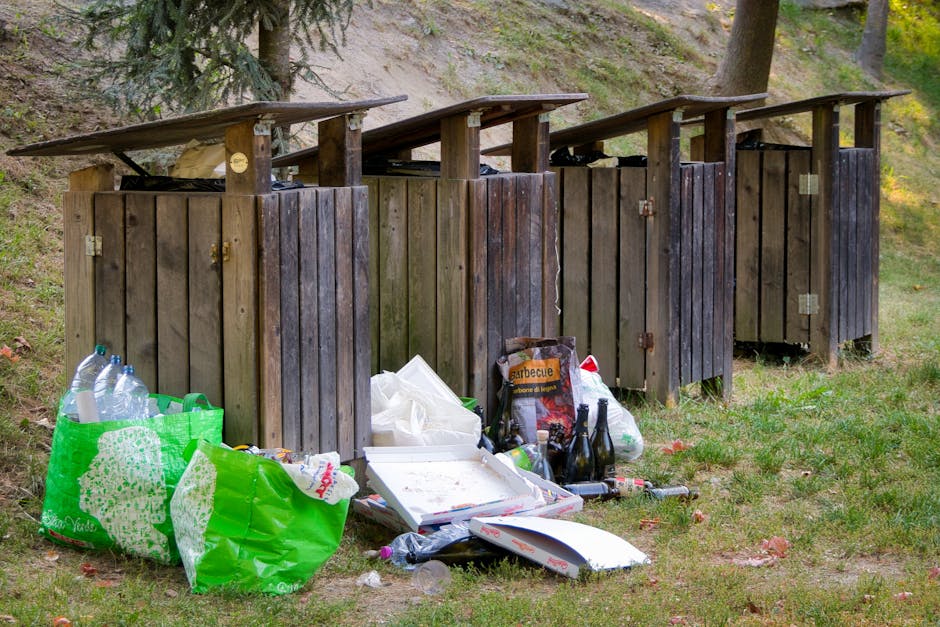


 Tipper Van - Rubbish Removal and Junk Collection Prices in West Hampstead NW6
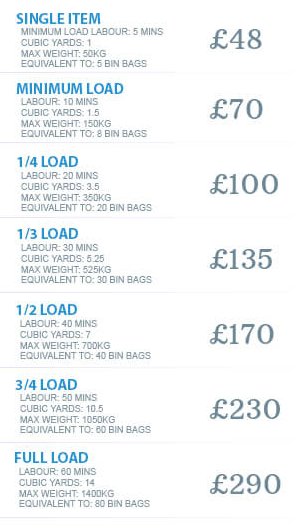
 Luton Van - Rubbish Removal and Junk Collection Prices in West Hampstead NW6